
The Fundamentals of Nutrition for Diabetes
Diabetes occurs when the body either does not produce enough insulin or cannot use insulin effectively. Insulin is the hormone that helps glucose move from the bloodstream into the body’s cells to provide energy. When this process does not work properly, glucose accumulates in the blood, leading to elevated blood sugar levels.
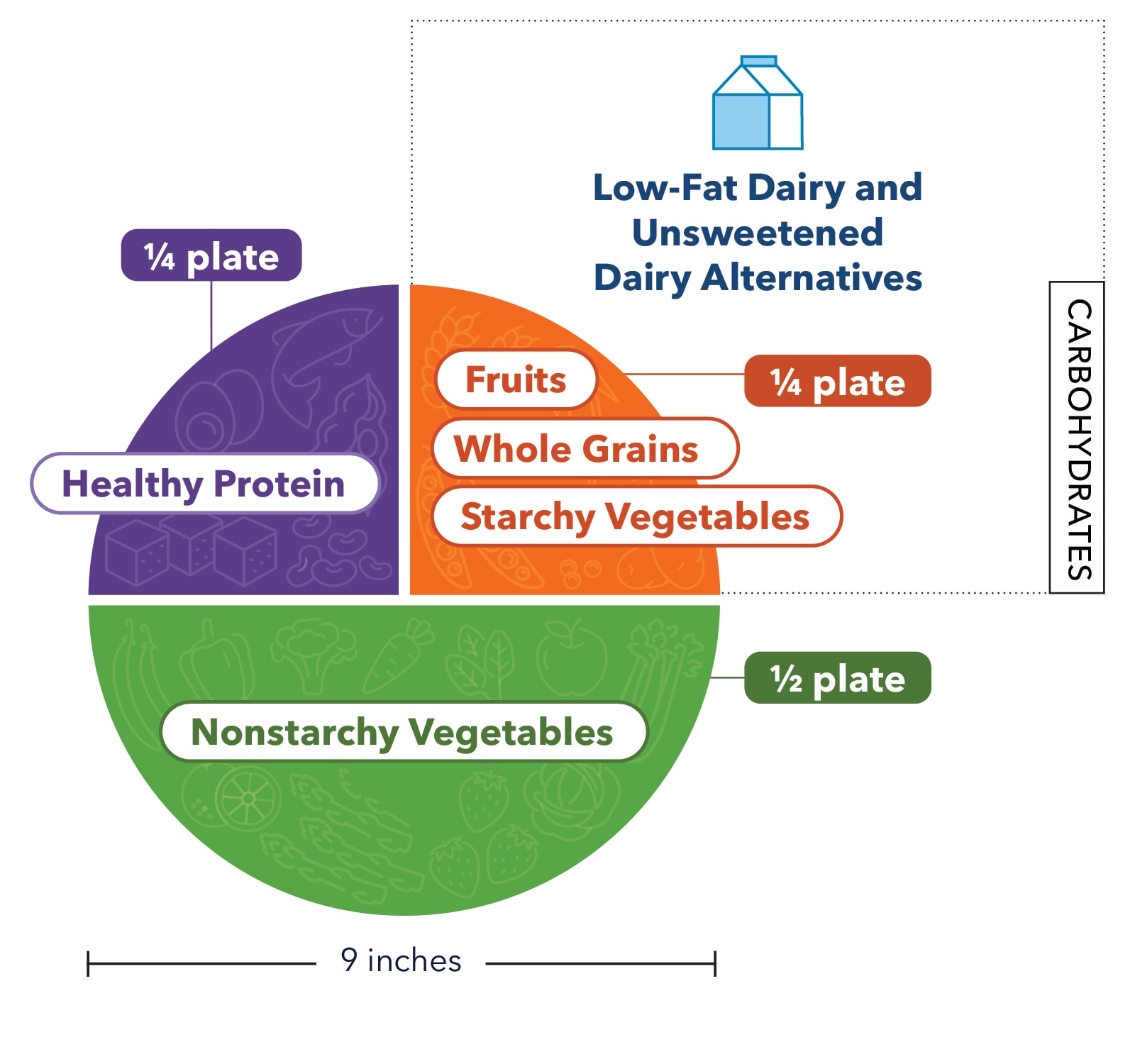
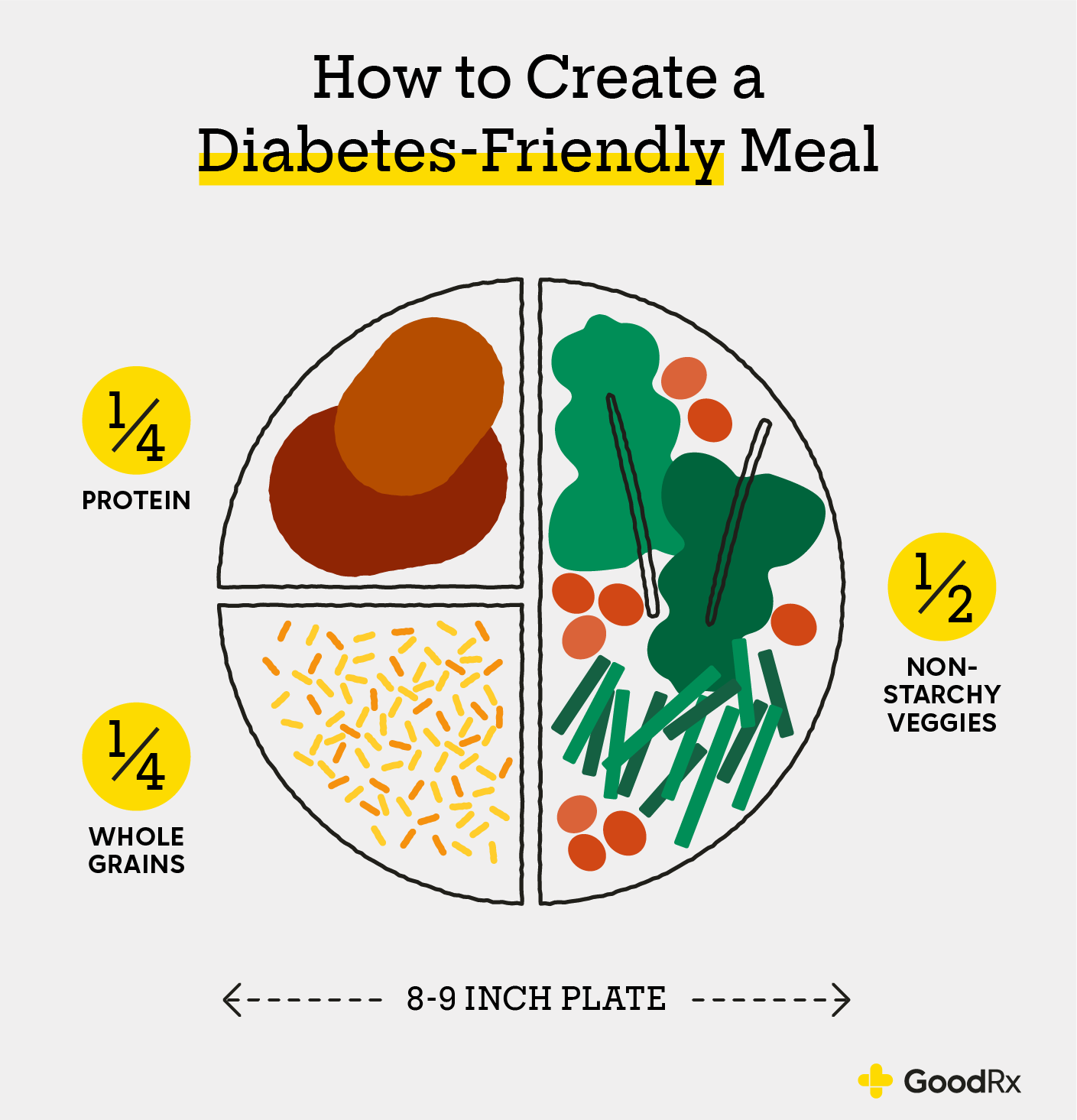
A well-structured nutrition plan focuses on maintaining stable blood sugar levels throughout the day. Three essential principles form the foundation of diabetes-friendly eating:
Balanced Nutrients in Every Meal
Meals should include a combination of carbohydrates, protein, healthy fats, and fibre. This combination slows down glucose absorption and helps maintain energy levels.
Mindful Portion Sizes
Even healthy foods can affect blood sugar if consumed in large quantities. Portion awareness helps prevent sudden spikes in glucose levels.
Consistent Meal Timing
Eating meals at regular intervals helps the body maintain a predictable rhythm for insulin use and energy release.
Following these principles consistently helps support long-term metabolic health and energy balance.
Healthy Eating Habits That Support Blood Sugar Control
1. Choose Complex Carbohydrates Instead of Refined Ones

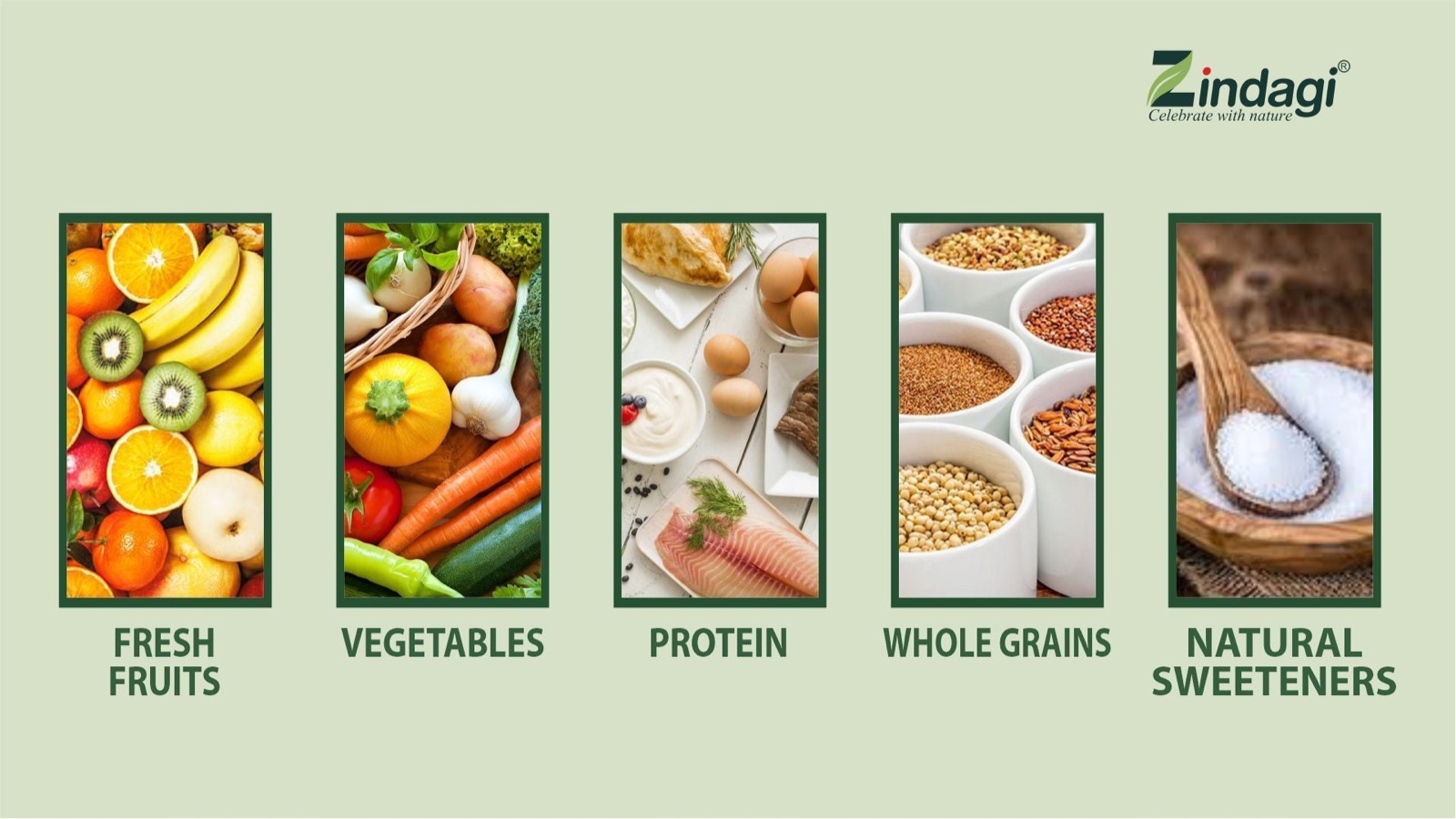
Carbohydrates have the strongest impact on blood sugar levels, but eliminating them completely is unnecessary. The key is selecting high-quality carbohydrates that digest slowly.
Better options include:
- Whole grains like brown rice, oats, and quinoa
- Millets such as bajra and jowar
- Lentils and legumes
- Vegetables and whole fruits
These foods release glucose gradually, helping maintain stable blood sugar levels instead of sudden spikes.
2. Combine Carbohydrates With Protein or Healthy Fats
Eating carbohydrates alone can cause a rapid rise in blood sugar. Pairing them with protein or healthy fats slows digestion.
Examples of balanced combinations include:
- Whole wheat roti with dal or paneer
- Fruit with nuts or seeds
- Brown rice with vegetables and lentils
- Oats with yogurt and chia seeds
This combination provides steady energy and improved glucose control.
3. Increase Fibre Intake


Fibre plays a crucial role in diabetes management. It slows carbohydrate digestion, improves gut health, and helps control appetite.
Foods rich in fibre include:
- Leafy green vegetables
- Beans and legumes
- Oats and whole grains
- Flaxseeds, chia seeds, and sunflower seeds
Higher fibre intake can help maintain more stable blood sugar levels throughout the day.
4. Maintain Regular Meal Patterns
Skipping meals or eating irregularly can disrupt blood sugar balance. Long gaps between meals may lead to sudden hunger and overeating later. Maintaining a consistent meal routine allows the body to regulate glucose more efficiently and maintain steady energy levels.
5. Prefer Healthy Cooking Methods



Cooking methods significantly influence the nutritional value of food. Healthier cooking techniques include steaming, grilling, baking, and light sautéing. These methods reduce unnecessary fats and support better heart health, which is particularly important for individuals with diabetes.
Foods and Habits That May Raise Blood Sugar
Certain foods and lifestyle habits can cause rapid fluctuations in blood glucose levels. Try to limit the following:
Refined Carbohydrates - White bread, pastries, and refined flour products digest quickly and lead to sudden sugar spikes.
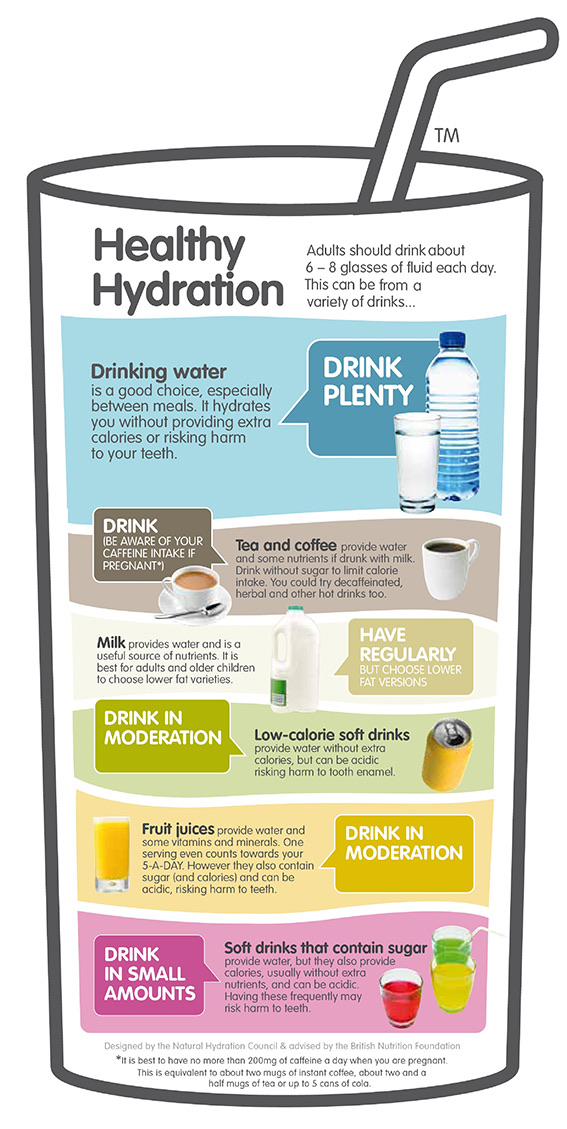
Sugary Beverages - Soft drinks, sweetened juices, and energy drinks provide large amounts of sugar without beneficial nutrients.
Highly Processed Snacks - Packaged snacks often contain hidden sugars, excess salt, and unhealthy fats.
Overeating Even Healthy Foods - Large portions-even of healthy foods-can still increase blood glucose levels.
Late Night Heavy Meals - Eating large meals late at night may disrupt the body’s ability to regulate sugar levels overnight.
The goal is moderation and awareness, not complete elimination.
Simple Lifestyle Habits That Improve Blood Sugar Control


Along with a balanced diet, small lifestyle habits can make a significant difference in blood sugar management.
- Walk After Meals - A short 10–15 minute walk after meals helps the body utilise glucose more efficiently.
- Stay Well Hydrated - Drinking adequate water supports metabolism and helps regulate blood sugar levels.
- Prioritise Good Sleep - Poor sleep can interfere with hormonal balance and increase insulin resistance.
- Manage Stress Levels - Chronic stress can elevate blood sugar through increased stress hormones. Practices such as yoga, meditation, or deep breathing can help.
- Track Your Food and Mood - Keeping a simple record of meals, physical activity, and energy levels can help identify patterns that affect your blood sugar.
Building a Sustainable Eating Routine
One of the biggest challenges in diabetes management is maintaining long-term consistency. Extreme diets often fail because they are difficult to follow.
Instead, focus on gradual and sustainable improvements, such as:
- Replacing sugary snacks with healthier alternatives
- Increasing vegetable intake
- Choosing whole grains over refined grains
- Practicing portion control
Small changes practiced consistently lead to lasting improvements in health.
Final Thoughts
Living with diabetes does not mean living with constant food restrictions. With the right knowledge and practical habits, it is possible to enjoy a nutritious and satisfying diet while keeping blood sugar levels under control.
The most effective approach involves:
- Balanced meals
- Consistent eating routines
- Smart food choices
- Healthy lifestyle habits
Remember, diabetes management is about progress, not perfection. Small daily improvements can lead to significant long-term health benefits.
Diabetes management is about progress, not perfection.
Ready to build a diabetes-friendly eating plan that fits your life? Book a consultation with us.
