Clinical nutrition care
Cardiovascular Care
Lipids, blood pressure and weight worked as one cardiometabolic picture.
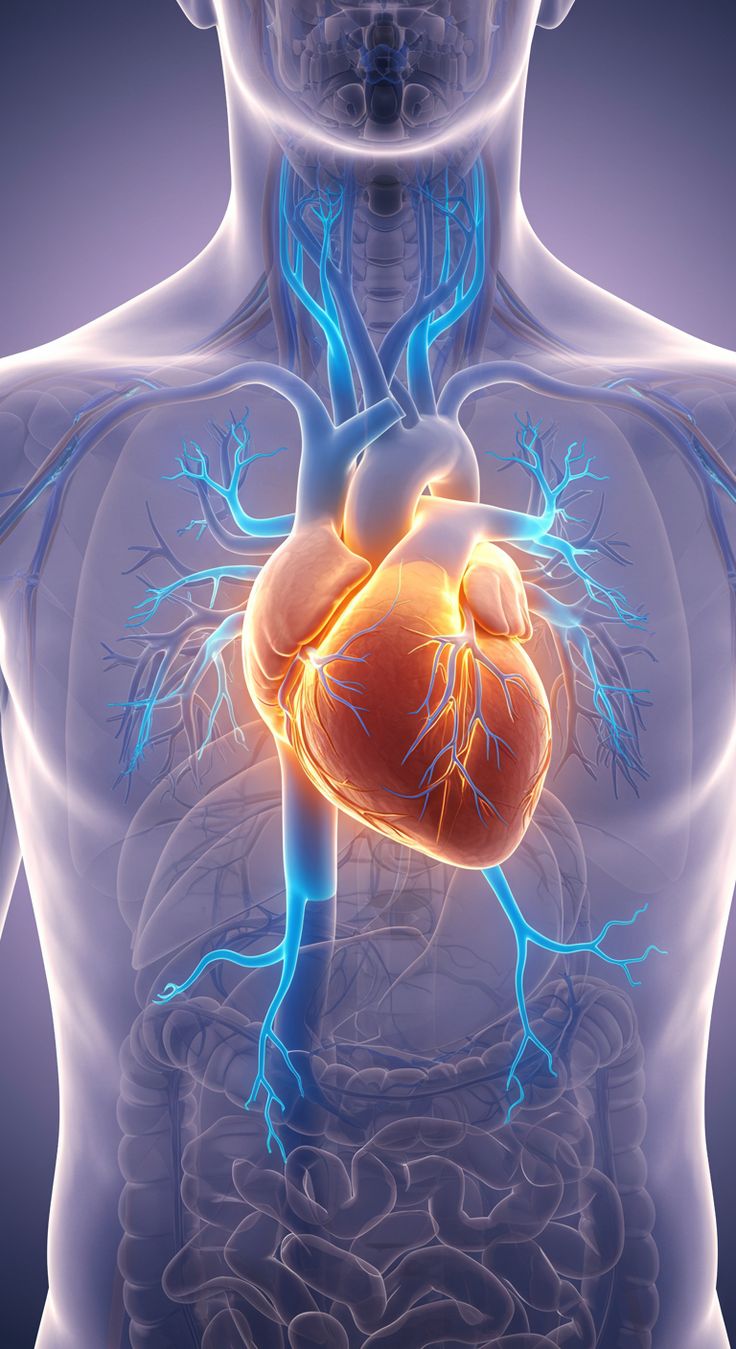
Cardiovascular health is about how well your heart and blood vessels work - pumping blood, delivering oxygen and nutrients, and staying flexible and strong. Keeping them in good shape can lower the risk of heart disease, heart attack, and stroke, and support energy and overall wellbeing. At The Dietary Doctor, we use diet and lifestyle as a foundation for heart health, alongside any medical care you receive.
What you eat directly affects cholesterol, blood pressure, inflammation, and weight - all of which influence your heart. We design plans that emphasise whole foods, balanced fats, fibre, and sensible portions, so you can enjoy meals while supporting your cardiovascular system. We also look at how activity, stress, and sleep fit into your routine, because heart health is about more than food alone.
Whether you're preventing future problems or managing an existing condition, personalised nutrition can help you take care of your heart for the long term.
How it actually works
Your lipid profile is a story about inflammation.
Cholesterol is not simply a number to push down. What matters is particle behaviour, triglycerides and the inflammation around them.
-
Refined carbohydrate and poor fats dominate
Fried food, reused oil, bakery items and refined flour crowd out everything protective.
-
Triglycerides climb
Excess refined carbohydrate is converted to triglycerides far more readily than dietary fat is.
-
Particle quality worsens
The LDL that matters becomes smaller and denser, and protective HDL tends to fall.
-
Vessel walls inflame
Small dense particles enter the vessel wall more easily, and inflammation follows them in.
-
Plaque builds quietly
This progresses for years without symptoms, which is why numbers matter before anything hurts.
Is this you?
This plan is built for what you are actually dealing with.
If several of these sound familiar, they are almost certainly connected. That is the point — they get treated as one picture, not six separate complaints.
Not sure?
- High cholesterol or triglycerides on your last report
- Family history of heart disease or early cardiac events
- Breathless on stairs or with light exertion
- Central weight gain with a high waist measurement
- Diabetes or hypertension alongside it
- Post-event or post-procedure and needing a sustainable diet
What tends to shift
Why these change, not just that they do.
Every claim below has a mechanism behind it. How quickly any of it moves depends on your body, your reports and how long things have been running — so we will not put a date on it.
-
Better triglycerides
Triglycerides respond quickly to refined carbohydrate and alcohol — often the fastest-moving number.
-
A healthier fat balance
Swapping fried and reused oils for the right fats changes particle quality, not just totals.
-
Lower inflammatory load
More fibre, more colour on the plate and fewer industrial fats reduce the inflammatory background.
-
Weight off the waist
Visceral fat is the metabolically active kind. Losing it moves lipids, BP and glucose together.
What we read
The numbers behind your plan.
Bring whatever reports you have. These are the markers we look at — and where something is missing that matters, we will tell you exactly what to ask your doctor for.
- Full lipid profile with non-HDL
- Lipoprotein(a) where indicated
- hs-CRP
- Fasting glucose and HbA1c
- Blood pressure log
- Liver and kidney function
- Vitamin D and B12
- Waist circumference
We do not order tests or prescribe. Investigations are requested and interpreted by your doctor; we work from the results.
What is inside
Your plan includes
-
Cooking-oil and fat strategy
Which oils, how much, at what heat, and how often reused — the practical detail that changes an Indian kitchen.
-
Cardiac-safe eating out
How to handle weddings, restaurants and travel without abandoning the plan for a fortnight afterwards.
-
One-to-one with a senior clinical dietitian
Not a chatbot and not a generic chart. A dietitian who reads your history and stays with your case.
-
Weekly customised diet & lifestyle plans
Revised every week around your progress, your appetite and whatever your actual week looks like.
-
Exercise & mobility guide
Movement matched to your condition and your current fitness, not a punishing gym programme.
-
Behavioural & dietary techniques
The practical part: cravings, portion drift, eating out, festivals, travel and stress eating.
How this runs
Three steps, and none of them is a crash diet.
-
We read your case
A free 15-minute call, then a full history: reports, medication, cycle, sleep, stress and what your week actually looks like.
-
You get your plan
Built around food you already cook. Dal, roti, sabzi — portioned and paired for your condition, not a list of imported superfoods.
-
We adjust as you go
Regular follow-ups with your dietitian. Reports get re-read, the plan moves with your results — and with a wedding or a work trip.
Questions
Before you book.
Do I have to give up ghee entirely?
No. Quantity and context decide whether ghee is a problem. What usually needs to change is fried food, repeatedly reused oil and refined flour — not a spoon of ghee on your roti.
I have had a cardiac event. Can you work alongside my cardiologist?
Yes, and that is how it should work. Your cardiologist owns your medical treatment. We build the nutrition around it and flag anything that needs their review.
Is this just a diet chart?
No. A chart is a page; this is a plan that gets revised weekly against your reports, your symptoms and your week. The behavioural side — cravings, portions, eating out, festivals — is treated as part of the clinical work rather than willpower you are supposed to find on your own.
Will I have to give up Indian food?
No. Plans are built from dal, roti, sabzi, rice and the food you already cook. Portioning, pairing and timing do most of the work. A plan that needs imported ingredients is a plan you abandon in a month.
How is the plan adjusted as I go?
Weekly. Your dietitian reviews what actually happened — what you ate, how you slept, what the scale and your symptoms did — and adjusts. When you bring fresh reports, they are read and the plan moves with them.
Can I talk to someone before deciding?
Yes. The first call is free and about fifteen minutes, with no payment and no sales pitch. You will leave it knowing what we would look at first, whether or not you sign up.
A note on scope. This page describes individualised clinical nutrition care: a clinical consultation, your health and nutrition history, review of your medical and laboratory reports where you have them, a nutritional assessment, a therapeutic nutrition plan written for you, and clinical follow-up at which progress is monitored and the plan is modified. It works alongside medical treatment rather than replacing it. We do not diagnose conditions, order investigations, or prescribe, change or stop medication — those belong with your doctor. If something in your reports needs medical attention, we will tell you and say what to ask for.
Next step
Bring your reports. We will read them properly.
The first call is free and 15 minutes. No payment, no sales pitch — you will leave knowing what to fix first, whether or not you sign up.