
Understanding Menopause

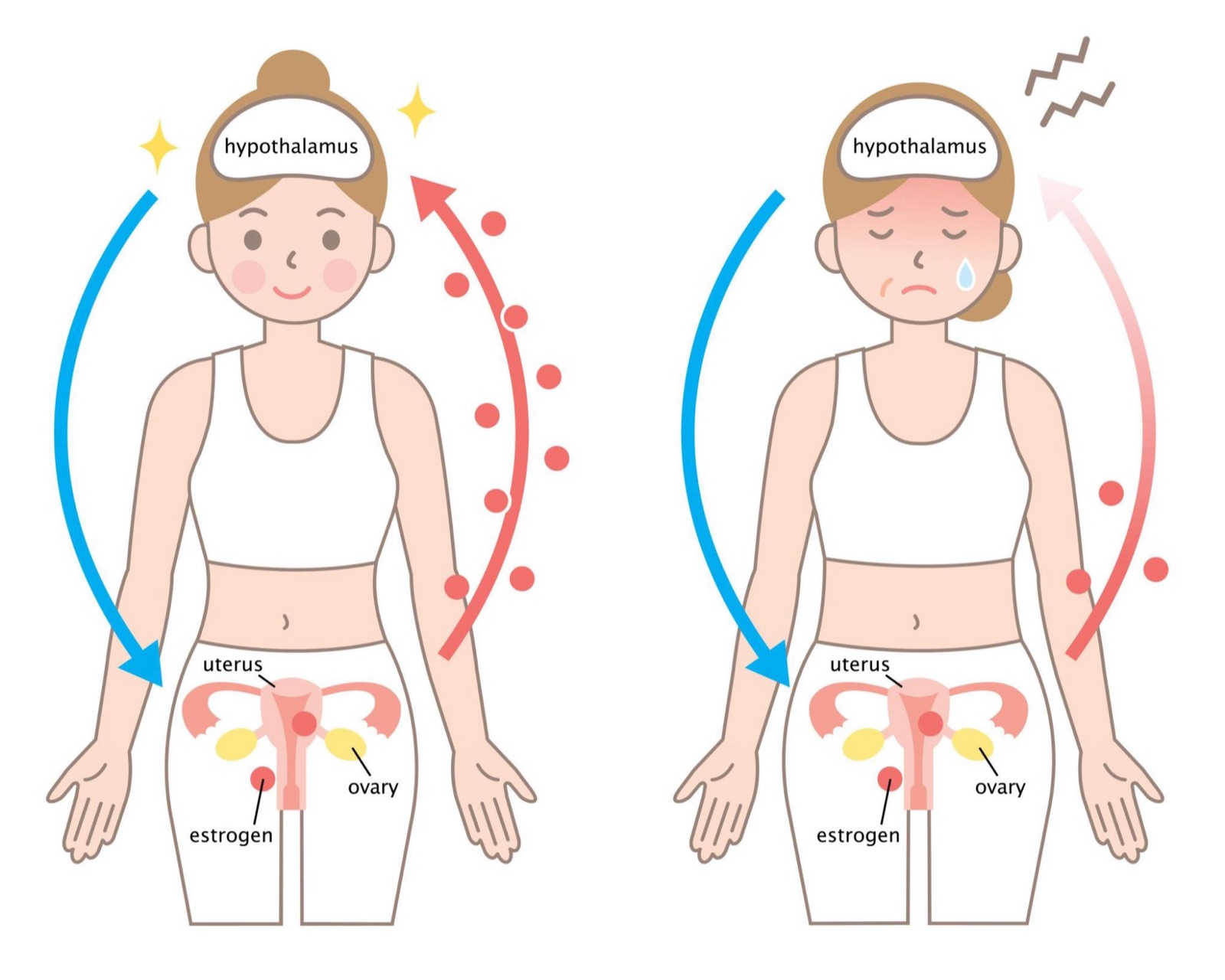
Menopause is officially diagnosed after 12 consecutive months without a menstrual period, typically occurring between ages 45–55. It includes three stages: Perimenopause (hormones begin fluctuating), Menopause (periods stop), Post-menopause (long-term adaptation phase).
What’s Happening Inside the Body?
Estrogen and progesterone decline significantly. These hormones influence metabolism, fat distribution, brain chemistry, bone density, cholesterol levels, and sleep quality.
Common Symptoms
- Hot flashes
- Night sweats
- Mood swings
- Weight gain (especially abdominal)
- Brain fog
- Sleep disturbances
- Joint stiffness
For working women, symptoms may interfere with professional confidence and performance. For homemakers, emotional stress may compound due to lack of structured support. Menopause is hormonal-but the experience is deeply emotional and social as well.
1. The Role of Cholesterol Management During Menopause

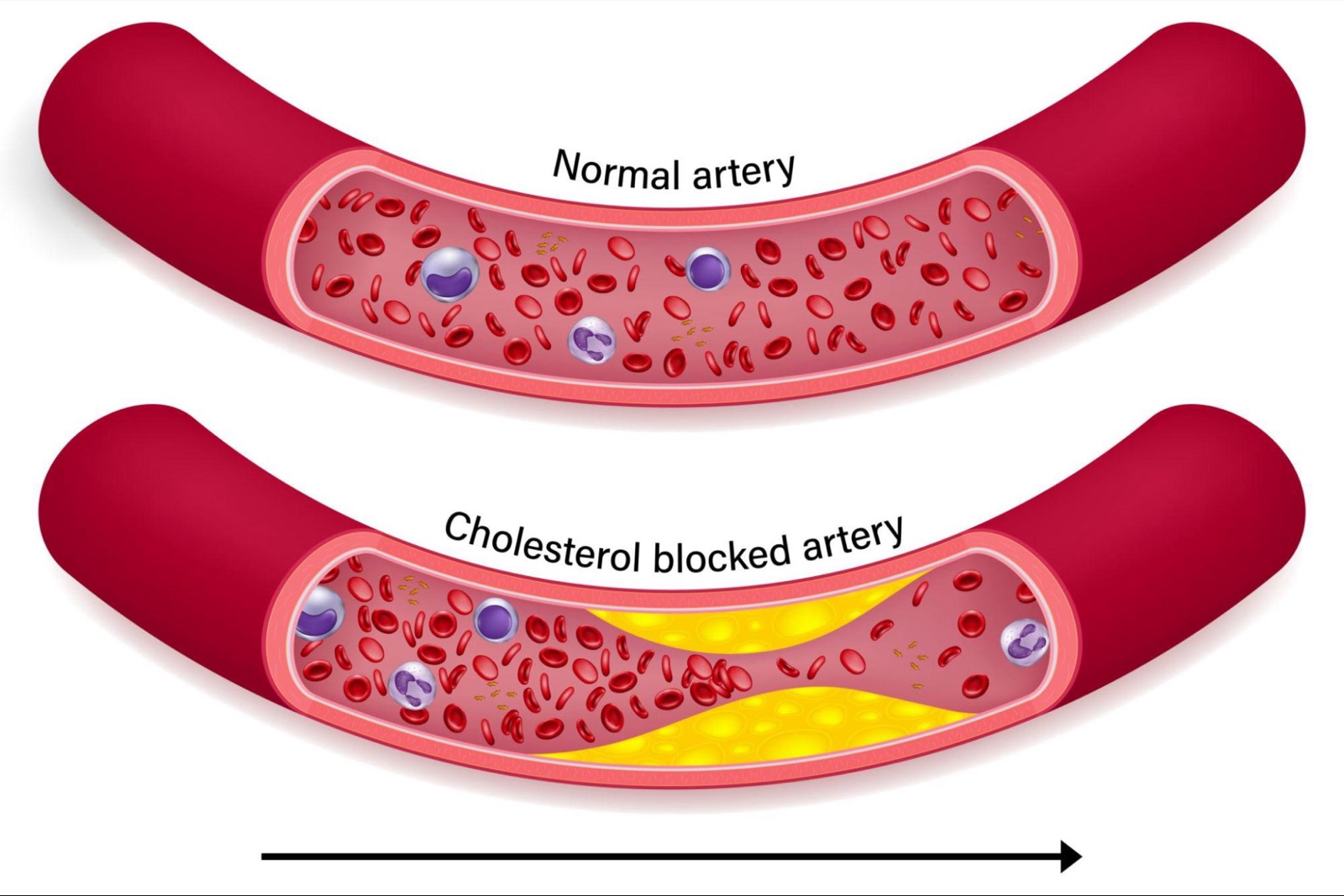
Estrogen plays a protective role in maintaining healthy cholesterol levels. When estrogen declines: LDL (“bad cholesterol”) may increase; HDL (“good cholesterol”) may decrease; risk of cardiovascular disease rises. This is why post-menopausal women see a higher risk of heart disease.
In today’s context: Working women often face sedentary desk jobs and stress eating. Non-working women may have reduced physical activity and irregular meal patterns.
What helps? Increase fibre (vegetables, oats, seeds); include healthy fats (nuts, olive oil, fatty fish); reduce refined carbohydrates; walk daily; check lipid profile regularly after age 40. Heart health becomes non-negotiable during this stage.
2. Managing Stress During Menopause


Stress and menopause amplify each other. When estrogen drops: cortisol (stress hormone) regulation becomes unstable; sleep quality decreases; emotional resilience may reduce.
For working women: Workplace pressure, career peak years, parenting teens, ageing parents.
For non-working women: Empty nest feelings, social isolation, identity shifts, lack of financial independence.
Evidence-based stress management: 7–8 hours quality sleep; mindful breathing (5–10 minutes daily); yoga and stretching; social connection; therapy or support groups; limiting caffeine and sugar. Managing stress protects not just mental health but also weight, heart, and hormonal stability.
3. Weight Management During Menopause

One of the most frustrating symptoms of menopause is weight gain-especially belly fat. Why does it happen? Slower metabolism; muscle mass decline; increased insulin resistance; higher cortisol; poor sleep. Even women who “haven’t changed anything” may notice weight creeping up.
Smart strategies (not crash diets): Avoid extreme calorie restriction and skipping meals. Prioritise protein (dal, eggs, paneer, fish, tofu); include strength training; eat fibre-rich foods; reduce ultra-processed foods; maintain meal timing consistency. Remember: It’s not about eating less-it’s about eating smarter.
The Power of Strength Training: Building Body & Mind During Menopause


Strength training is transformational during menopause. After age 35, women naturally lose muscle mass. During menopause, this accelerates.
Benefits of strength training: Preserves muscle mass; boosts metabolism; improves bone density; reduces abdominal fat; enhances insulin sensitivity; improves mood & confidence; protects joints. Even 2–3 sessions per week can make a massive difference. You don’t need heavy lifting initially-bodyweight exercises, resistance bands, and moderate dumbbells are sufficient to begin. Strength training isn’t just about physical change-it rebuilds confidence in a body that feels unfamiliar.
Final Thoughts: Menopause Is a Transition, Not a Decline
Menopause in today’s world demands a more intentional approach: prioritise heart health; manage stress consciously; preserve muscle mass; nourish, don’t punish your body. For working women, structured routines can be empowering. For non-working women, building activity and social structure is essential. This phase can be one of wisdom, emotional clarity, financial independence, and self-prioritisation.
Menopause is not a loss of femininity-it is a redefinition of strength.
Ready to build a plan that fits this chapter of your life? Book a consultation with us.
