
What is Magnesium & Why Is It So Important?


Magnesium is a vital mineral involved in:
- Energy production (ATP synthesis)
- Muscle and nerve function
- Blood sugar control
- Blood pressure regulation
- Bone health
- Hormone balance
- Stress response
- Sleep regulation
Every cell in your body needs magnesium to function properly.
1. Magnesium & Energy Levels
Magnesium helps convert the food you eat into usable energy (ATP). Without adequate magnesium, your body struggles to produce energy efficiently. Deficiency can cause: chronic fatigue, low stamina, brain fog, weakness. If you feel tired despite eating well, magnesium may be missing from your routine.
2. Magnesium & Sleep Quality


Magnesium activates the parasympathetic nervous system-the “rest and relax” system. It also helps regulate melatonin (sleep hormone) and cortisol (stress hormone). Low magnesium may lead to: difficulty falling asleep, frequent waking at night, restless sleep, anxiety before bedtime.
3. Magnesium & Muscle Health

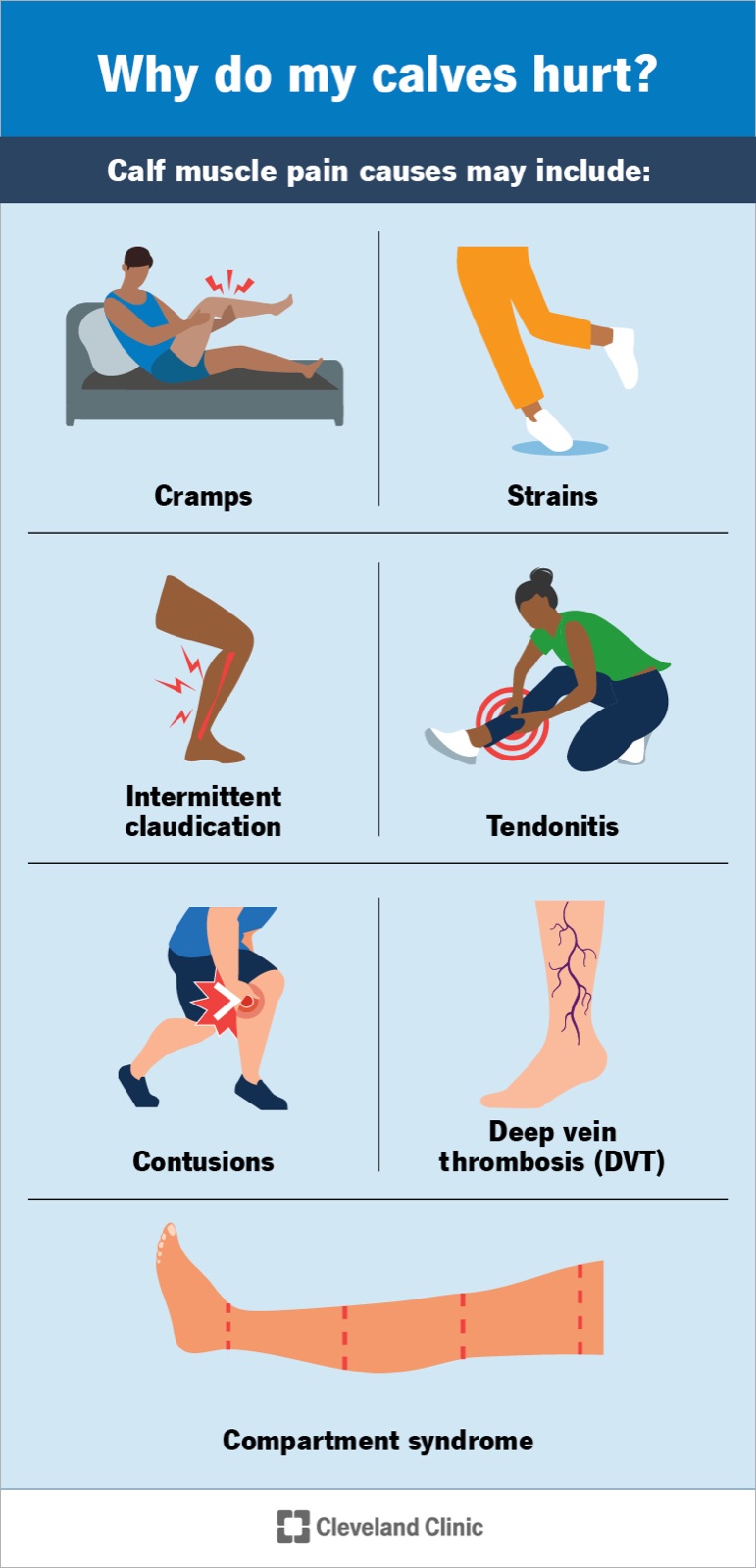
Magnesium helps muscles contract and relax properly. Deficiency symptoms: muscle cramps, twitching, stiffness, headaches or migraines. If you experience frequent cramps (especially at night), magnesium deficiency could be a factor.
4. Magnesium & Mental Health
Magnesium plays a key role in nervous system stability. Low levels are associated with increased anxiety, irritability, mood swings, and depression risk. Since stress depletes magnesium and low magnesium increases stress, it often becomes a vicious cycle.
5. Magnesium & Heart Health
Magnesium helps regulate heart rhythm and blood vessel relaxation. Deficiency may contribute to high blood pressure, irregular heartbeat, and increased cardiovascular risk.
6. Magnesium & Bone Strength
While calcium gets the spotlight, magnesium is equally essential for bone formation. Low magnesium can reduce bone density, increase fracture risk, and interfere with vitamin D activation.
Common Causes of Magnesium Deficiency

- High intake of processed foods
- Excess sugar consumption
- Chronic stress
- Poor gut absorption
- Excess caffeine/alcohol
- Certain medications (e.g. diuretics)
Modern soil contains less magnesium than decades ago-meaning even healthy diets may provide less than optimal intake.
Signs You Might Be Deficient
- Fatigue
- Muscle cramps
- Headaches
- Anxiety
- Poor sleep
- PMS symptoms
- Sugar cravings
- High blood pressure
Mild deficiency often goes unnoticed but gradually affects overall health.
Best Natural Sources of Magnesium

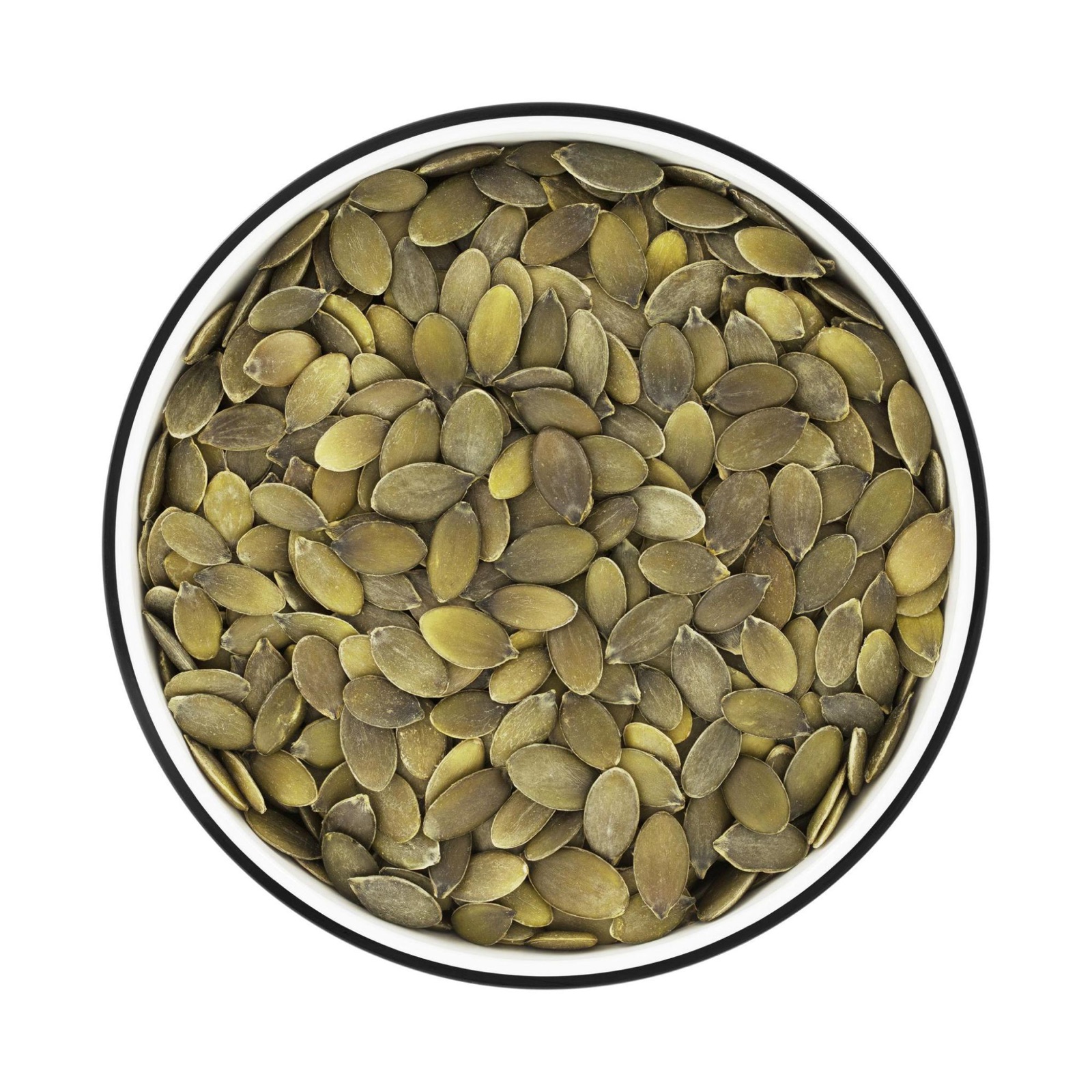
Include these in your daily diet: pumpkin seeds, almonds & cashews, spinach & leafy greens, dark chocolate (70%+), lentils & beans, avocado, banana.
Should You Take a Supplement?
Food should be the first priority. However, supplementation may help in cases of PCOD, insulin resistance, sleep disturbances, chronic stress, or frequent muscle cramps. Common forms include: magnesium glycinate (for sleep & anxiety), magnesium citrate (for constipation), magnesium malate (for fatigue). Always consult a healthcare professional before starting supplements, especially if you have kidney issues.
Final Takeaway
Magnesium is not just another mineral-it’s a foundation nutrient for energy, hormones, stress management, and heart health. If you often feel tired, anxious, sleep-deprived, or cramp-prone, magnesium might be the missing link. Improving your magnesium intake could transform your sleep, mood, metabolism, and overall vitality.
For a personalised plan that supports your energy, sleep, and hormones, book a consultation with us.
