
1. Stop Storing It at Home

If junk food is not in your kitchen, you won’t eat it. Most cravings happen because food is easily available. Keep fruits, nuts, roasted makhana, and seeds visible. When hunger strikes, you’ll choose what’s accessible.
Action Tip: Do a weekly pantry audit and remove chips, cookies, sugary drinks, and instant noodles.
2. Don’t Skip Meals
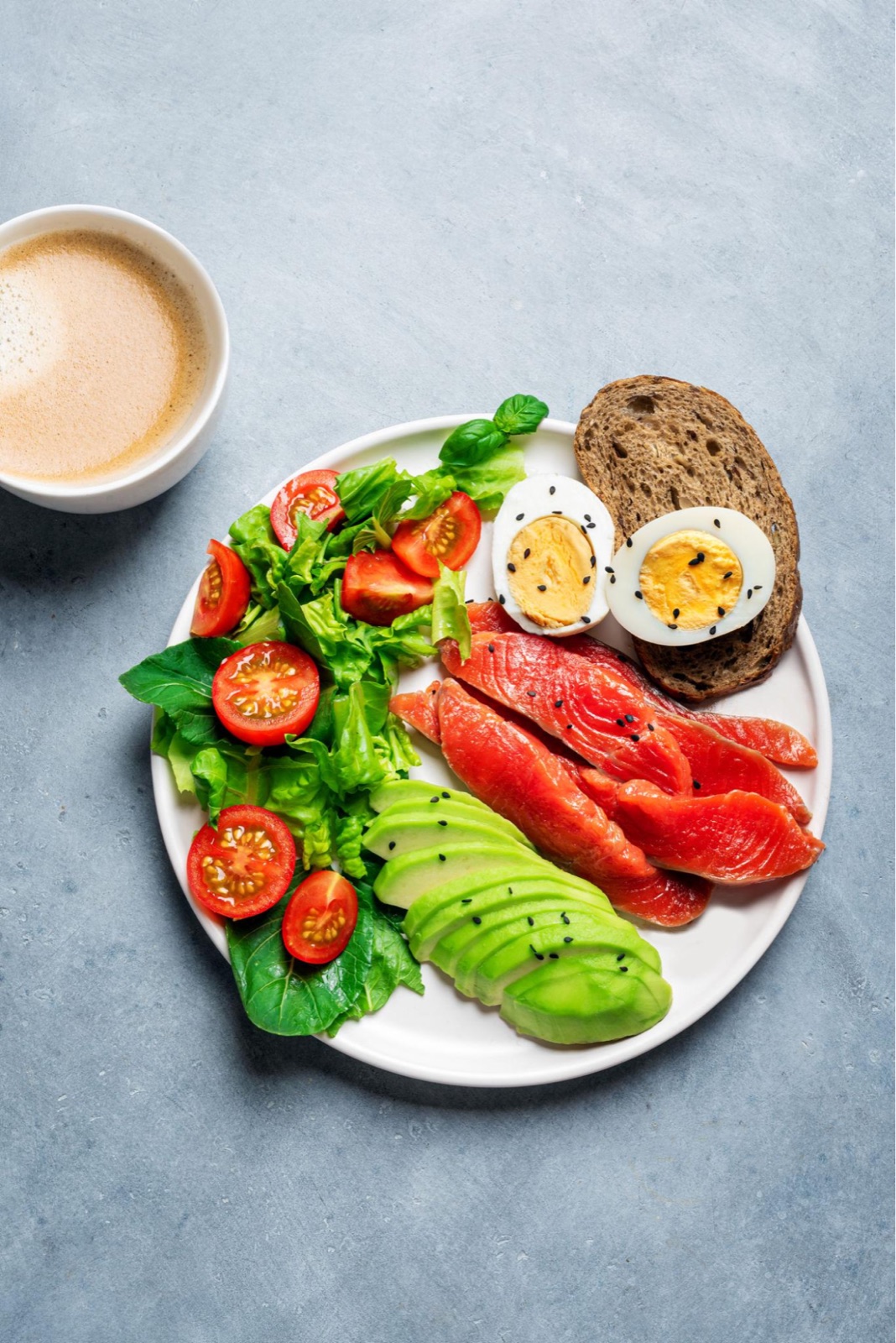
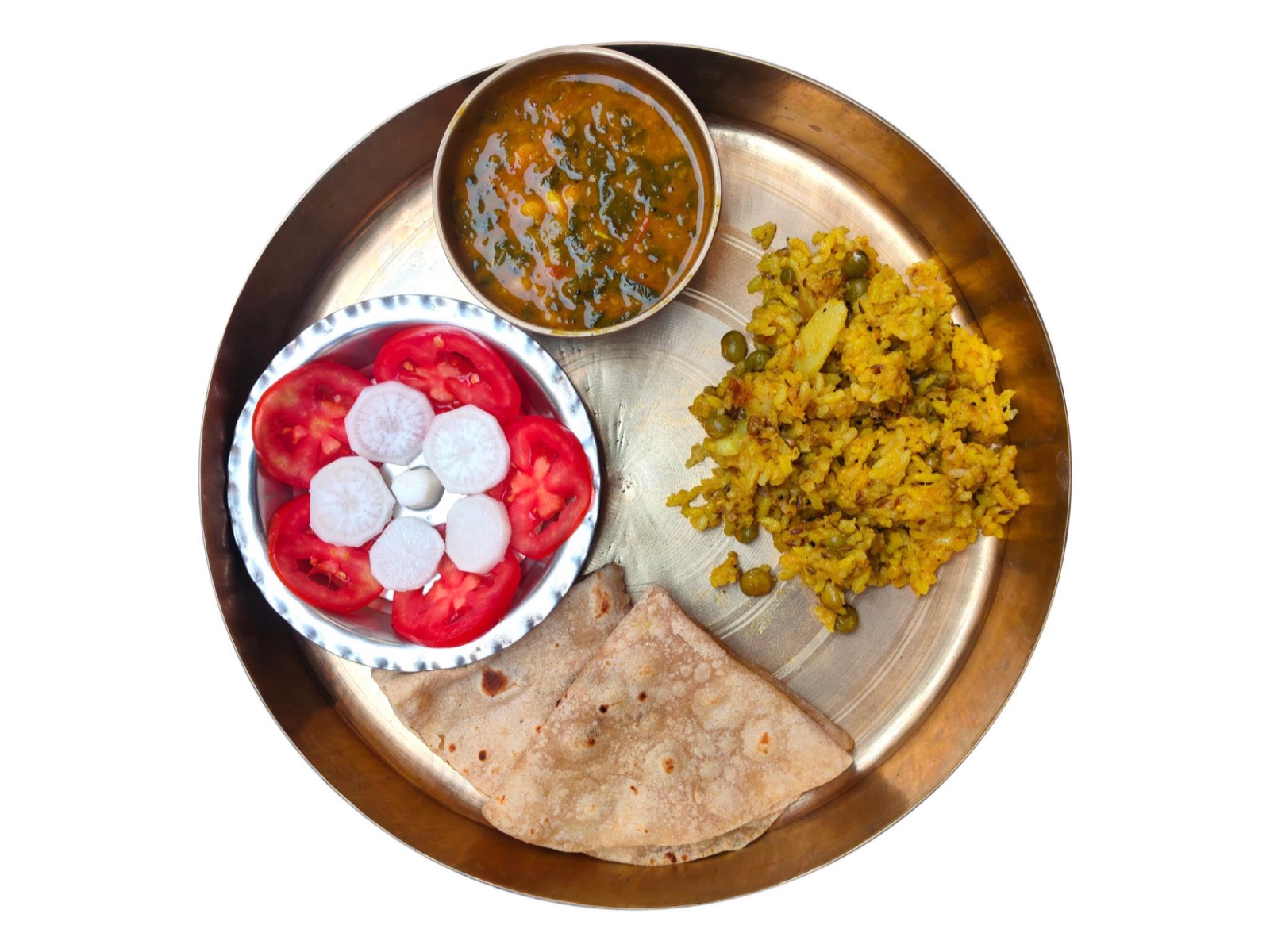
Skipping meals leads to intense cravings later in the day. When blood sugar drops, your brain demands quick energy-usually in the form of sugar and fried snacks.
Action Tip: Eat balanced meals with protein, fibre, and healthy fats every 3–4 hours.
3. Upgrade Your Snacks
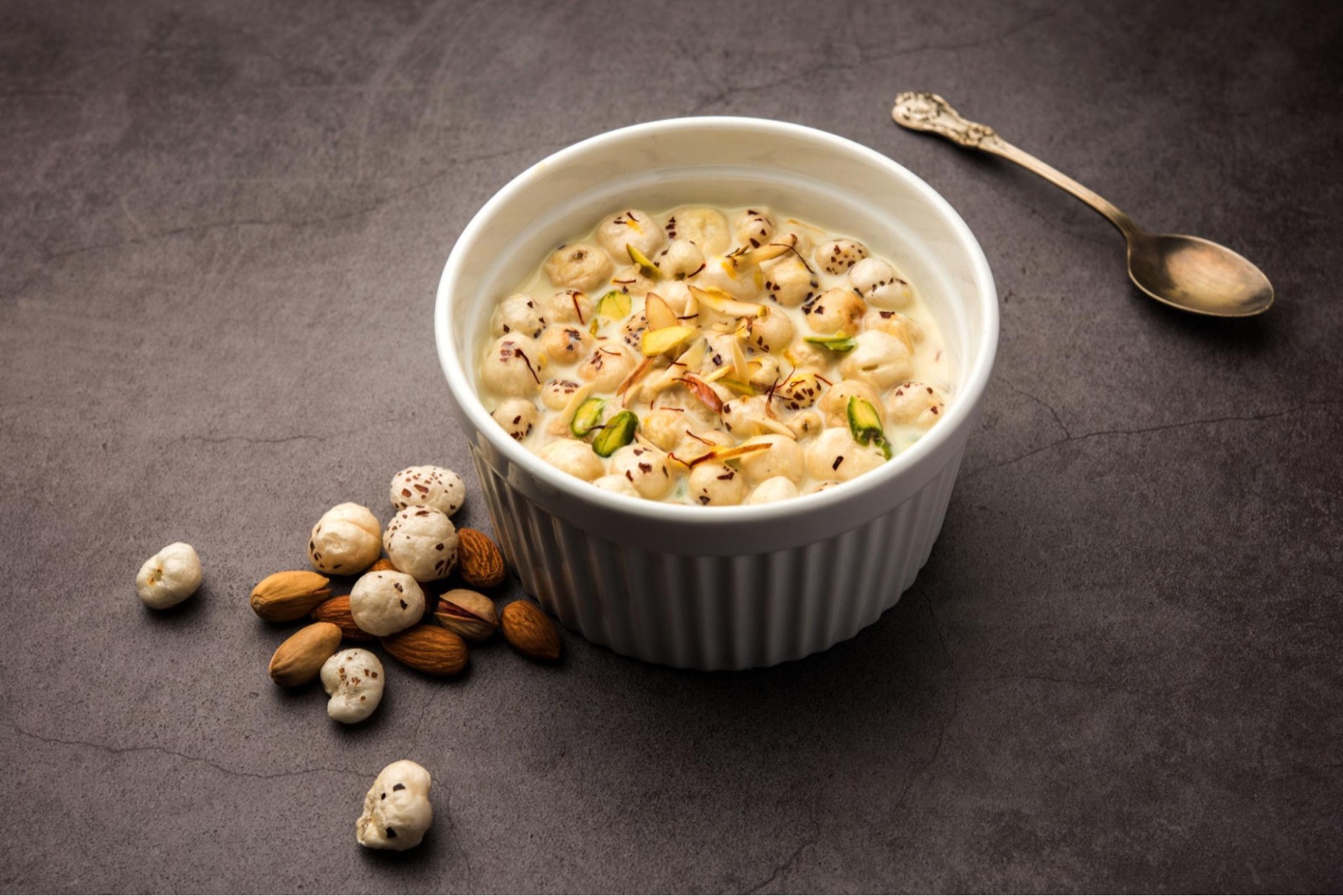

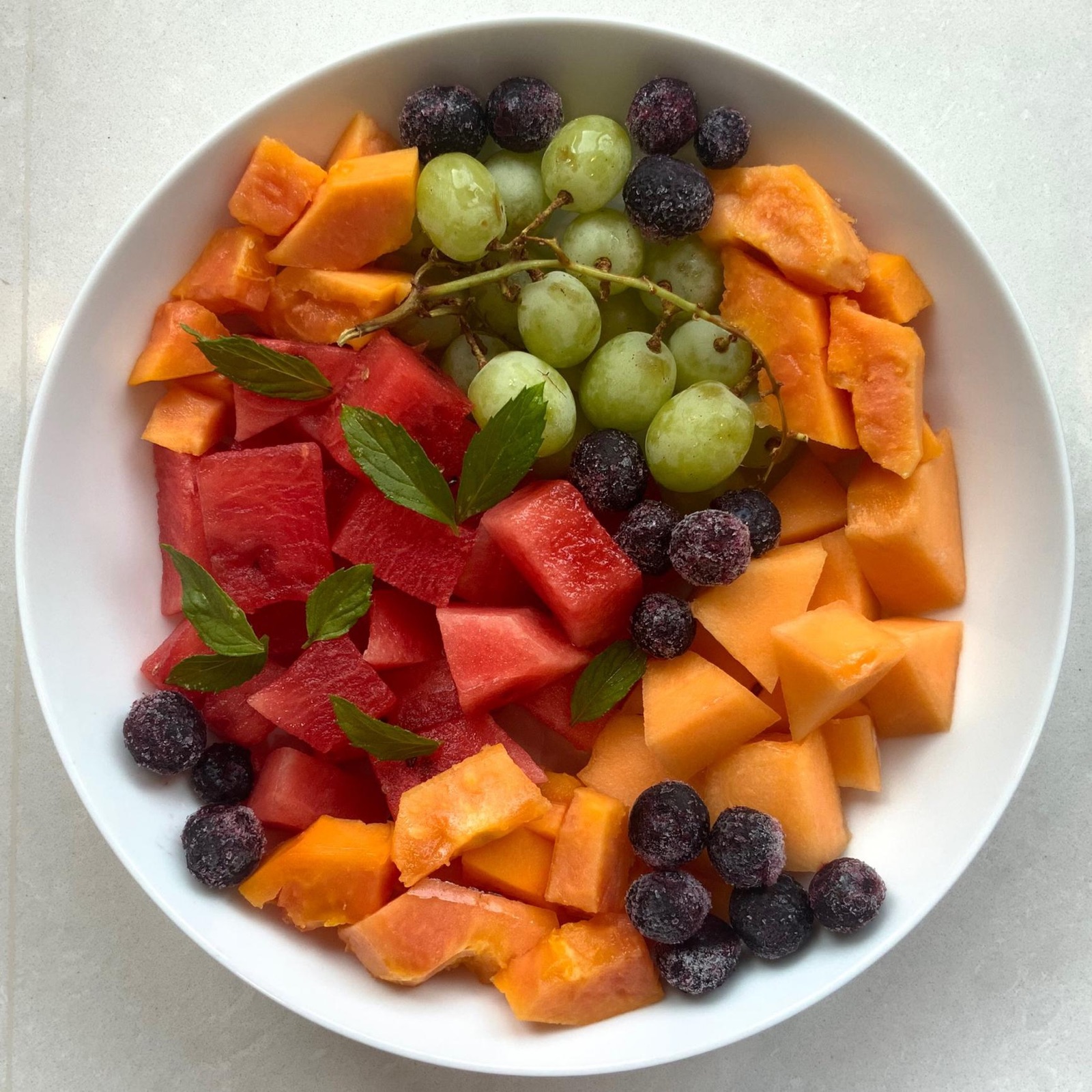
Instead of quitting snacking, make it smarter. Swap: chips → roasted chana or makhana; chocolate → dark chocolate (70%+); cold drinks → coconut water or lemon water. Healthy swaps reduce cravings without making you feel restricted.
4. Read Food Labels Carefully

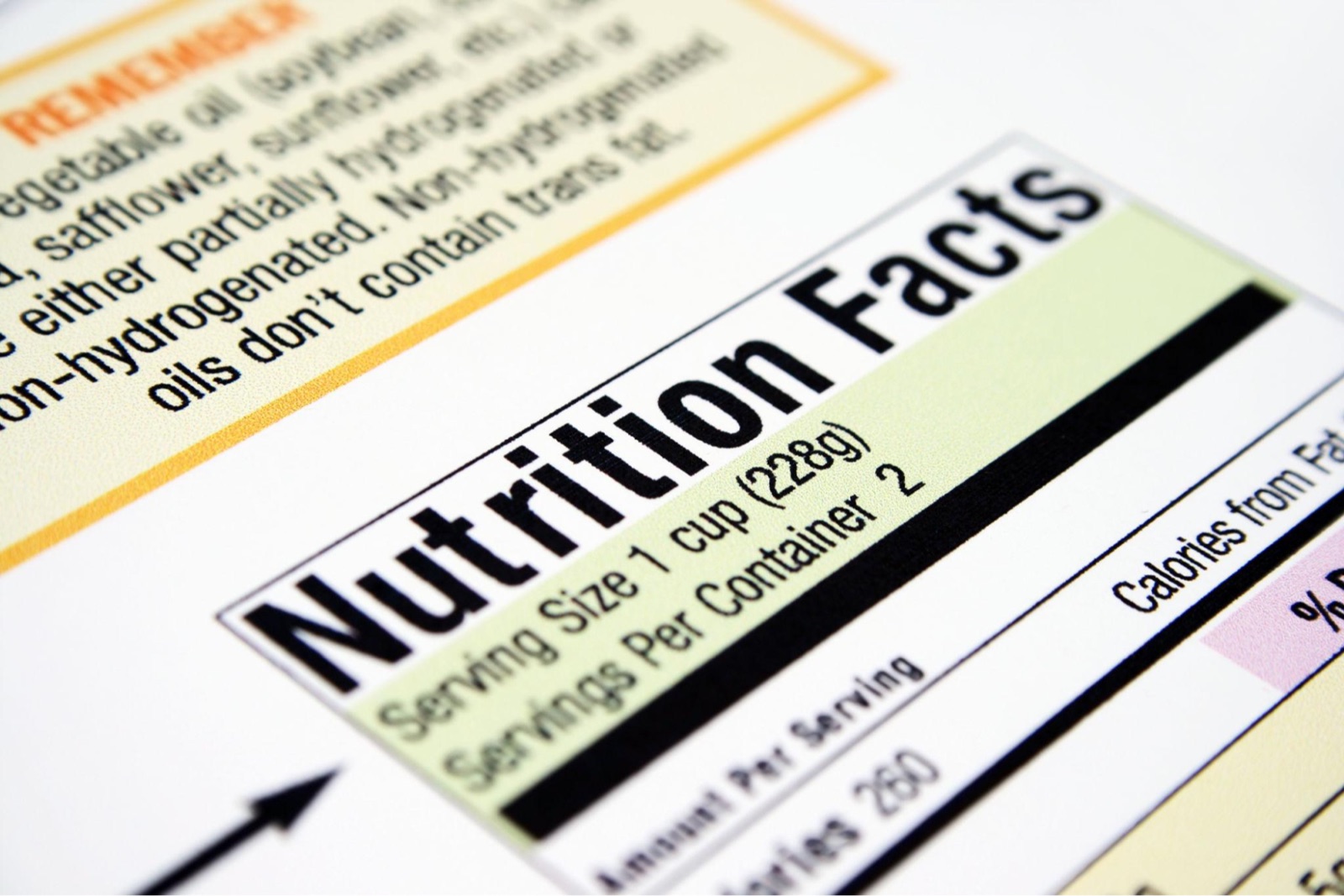
Many “healthy-looking” foods are loaded with sugar, refined flour, and preservatives. If the ingredient list is long and complicated, it’s usually ultra-processed.
Golden Rule: If your grandmother wouldn’t recognize the ingredients, think twice.
5. Stay Hydrated

Sometimes cravings are just thirst. Dehydration often feels like hunger, especially in the afternoon.
Action Tip: Drink a glass of water before reaching for snacks. Aim for 2.5–3 litres daily (adjust per activity level).
6. Fix Your Sleep Cycle


Lack of sleep increases hunger hormones and decreases self-control. When you’re tired, your brain seeks high-calorie comfort foods.
Action Tip: Sleep 7–8 hours daily. Avoid screens 1 hour before bed.
7. Plan Before You Get Hungry
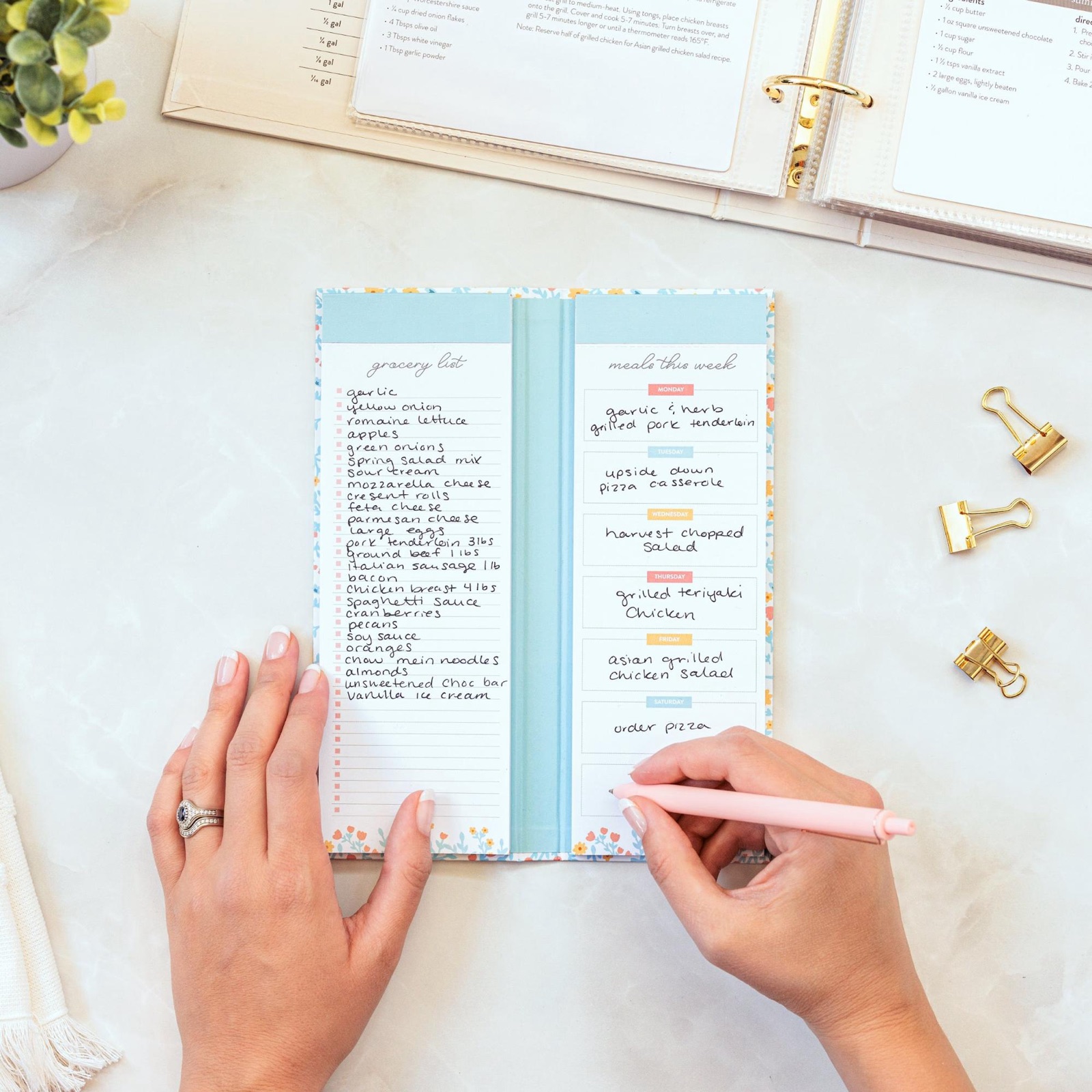
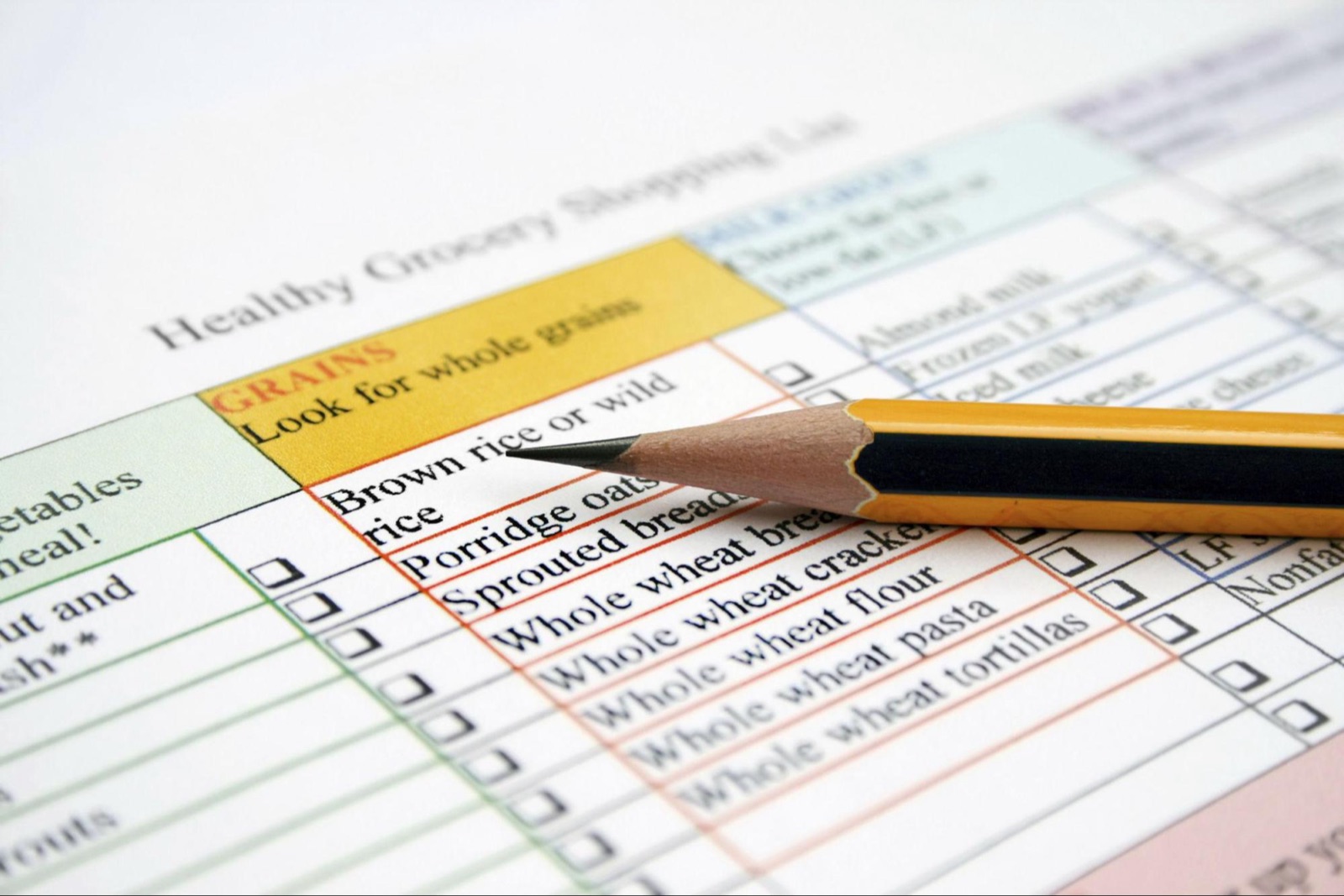
Unplanned hunger leads to impulsive junk choices. When you plan your meals and snacks ahead, you reduce decision fatigue.
Action Tip: Prepare snacks the night before or carry healthy options to work.
8. Don’t Grocery Shop When Hungry

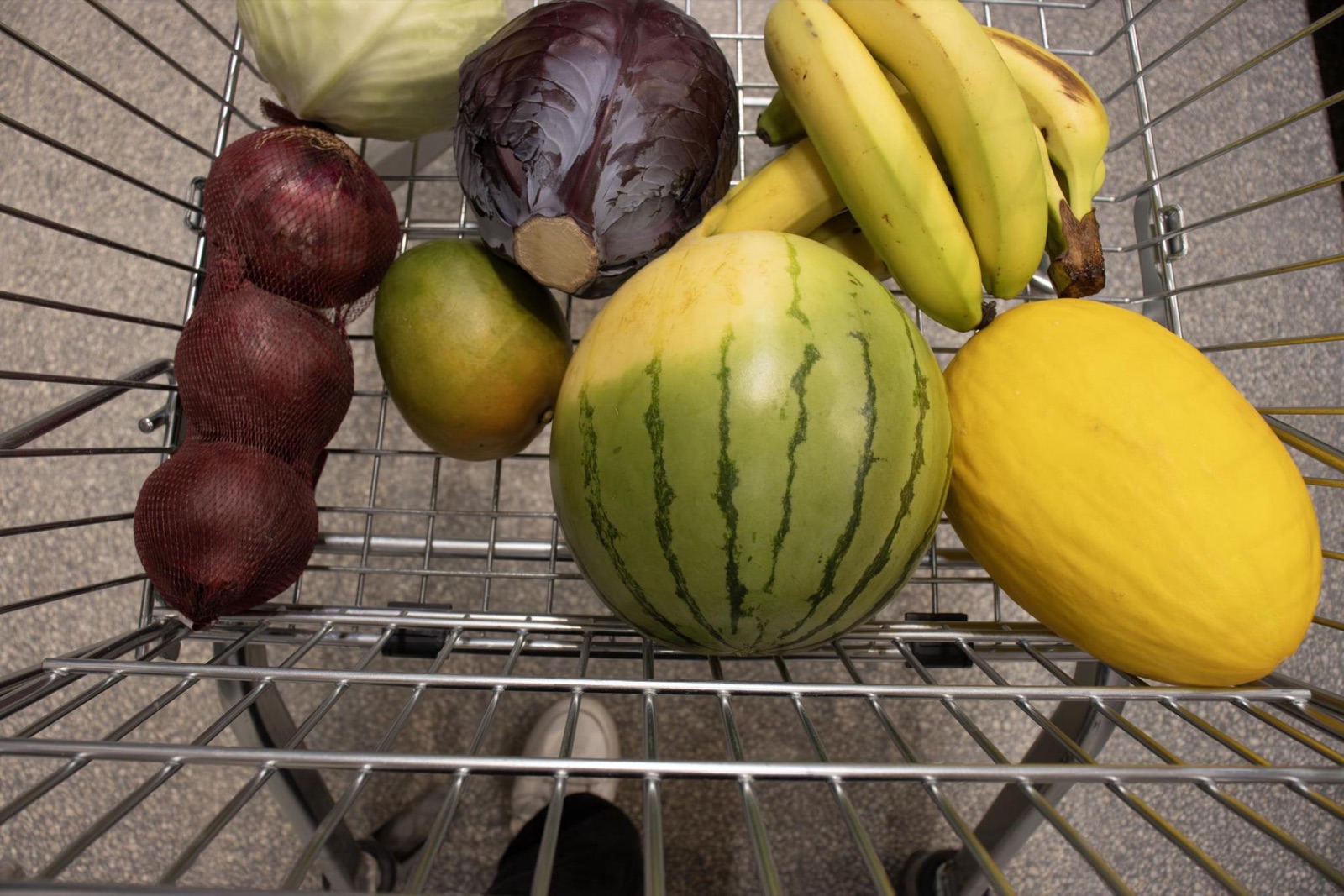
Shopping on an empty stomach makes everything look tempting. You’ll likely buy processed, high-calorie foods.
Action Tip: Eat before shopping and stick strictly to your list.
9. Manage Emotional Eating

Stress, boredom, and anxiety often trigger junk cravings. Ask yourself: “Am I hungry, or am I just stressed?”
Action Tip: Replace emotional eating with walking, journaling, or deep breathing.
10. Follow the 80–20 Rule

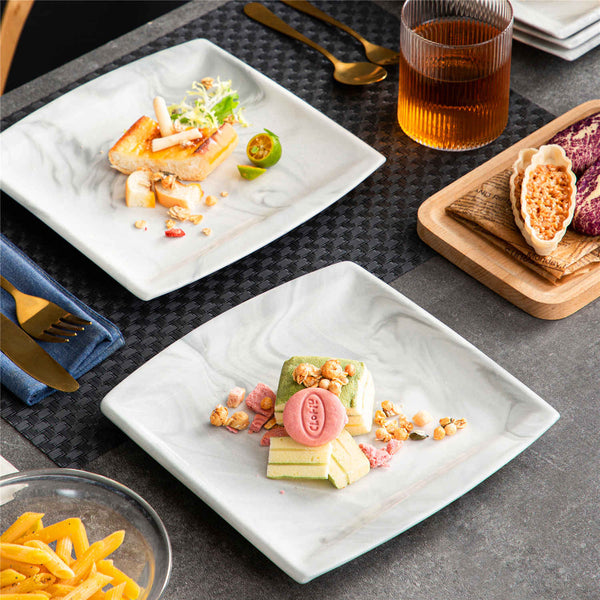
Perfection is unrealistic. Eat clean 80% of the time. Allow 20% flexibility. This prevents binge–restrict cycles and makes healthy eating sustainable long-term.
Final Takeaway
Eliminating junk food is not about strict dieting-it’s about building smarter habits. Start small: change one snack; drink more water; sleep better. Within weeks, you’ll notice:
- Better energy
- Reduced cravings
- Improved digestion
- Stable weight
- Better mood
Consistency beats perfection.
If you’d like a personalised plan that fits your lifestyle and goals, book a consultation with us.
